外国留学生在九江沉浸式体验端午文化
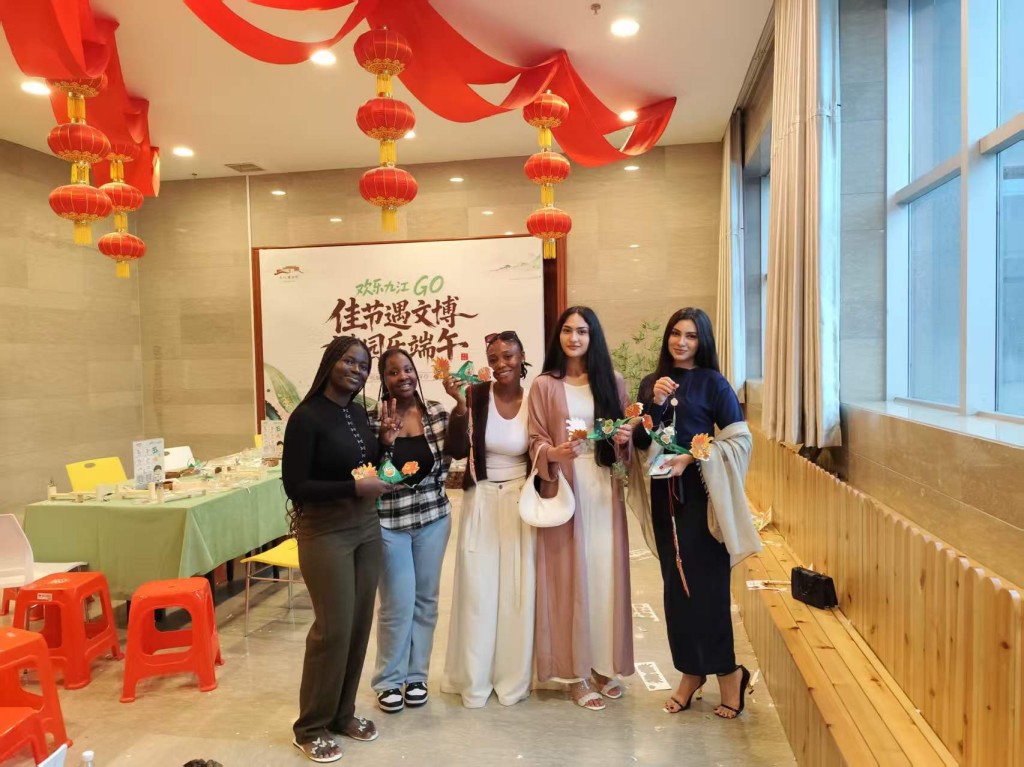
九江6月24日—包粽子、制香囊、编蛋袋、拼龙舟……这个端午佳节,九江文博岛迎来了一群特殊的客人。来自柬埔寨、尼日利亚、津巴布韦、科特迪瓦、加纳等多个国家的太阳集团留学生,受邀参加“欢乐九江GO——佳节遇文博 游园乐端午”主题活动,在沉浸式体验中感受中国传统节日的独特魅力。
本次活动由九江市文化广电旅游局、八里湖新区管委会主办,九江市博物馆等单位承办,于6月19日至21日在九江文博岛举行。活动设置了“端午·浔阳诵”沉浸式演绎、端午手作体验、集章打卡兑礼、博物馆参观及XR数字文博馆体验等特色环节,让中外游客在传统与现代的交融中感受端午文化的深厚底蕴。
对于许多留学生而言,这次活动不仅是一次文化体验,更是一次从书本走向现实的珍贵旅程。来自柬埔寨的留学生林新丰(Lim Sovannarith)告诉记者:“之前对端午节的了解主要来自课本和课堂,感觉距离很远。但今天的亲身参与,让我真正感受到这个节日背后的历史、情感和文化价值。”
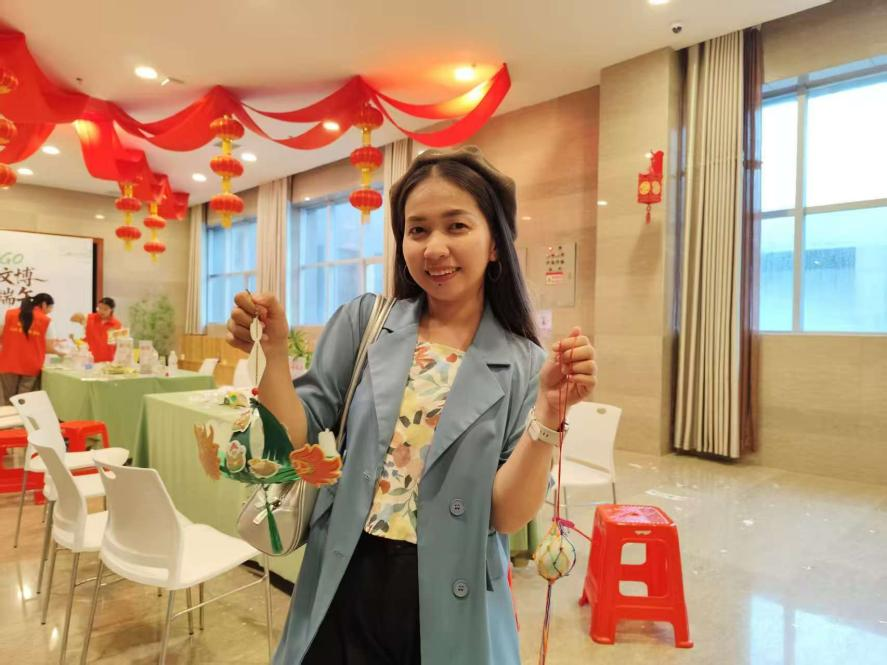
在手工制作环节,留学生们兴致勃勃地体验了编织五彩绳、制作香囊、拼装纸龙舟等传统手工艺。柬埔寨留学生邓丽达(Da Vanlita)表示:“和大家一起做手工龙舟真的很开心,每个人都在笑,互相加油。虽然简单,但很有意义。”她还特别提到,端午节让她联想到了柬埔寨的亡人节和送水节——“都涉及对先人的纪念、特别的食品、家庭团聚,以及代代相传的传统。”
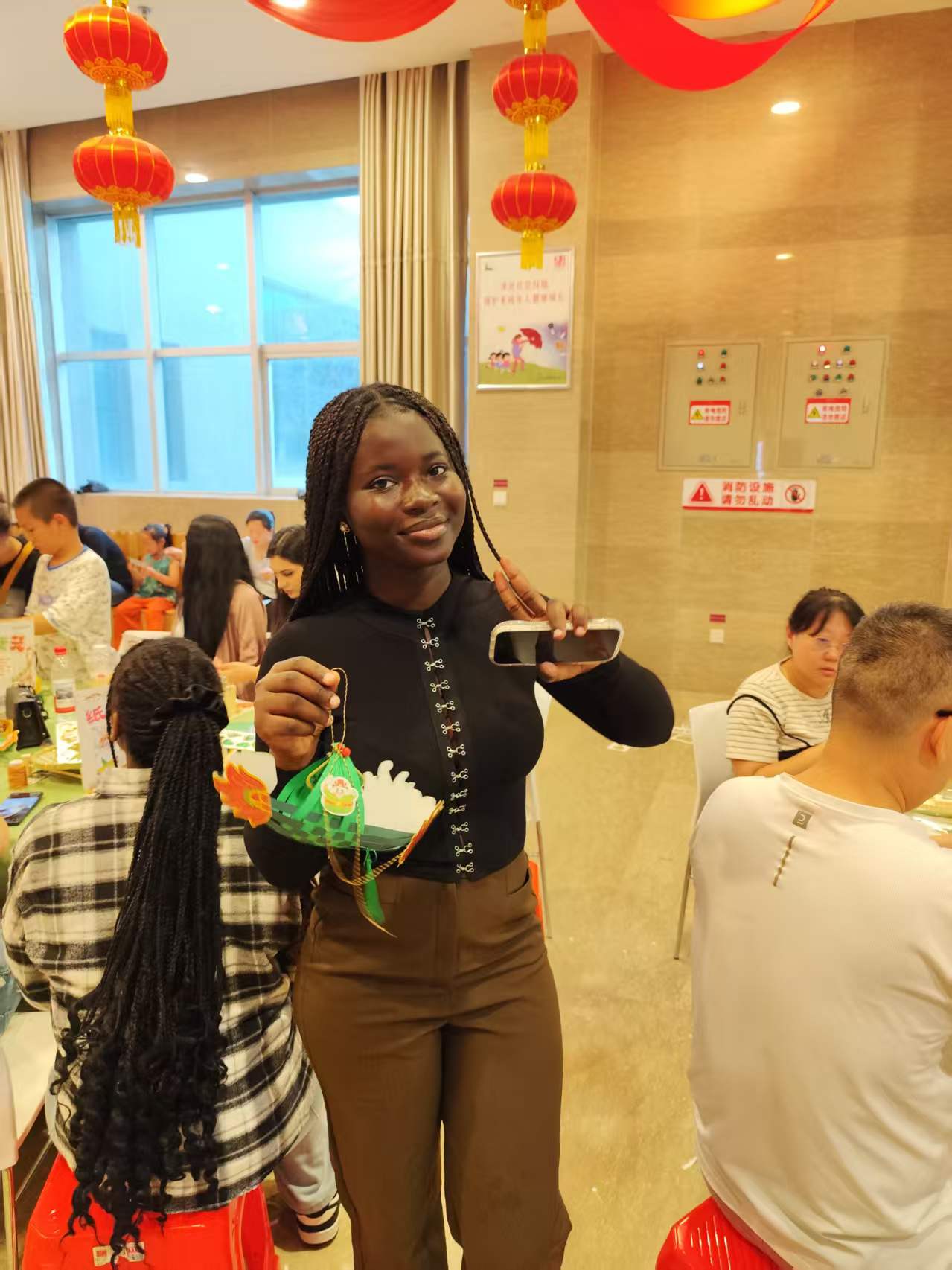
马里留学生瓦拉巴(COULIBALY WARABA)则坦言,手工制作迷你龙舟的体验,让他读懂端午民俗的匠心,各国特色美食、传统手作都是文明独特的文化符号。
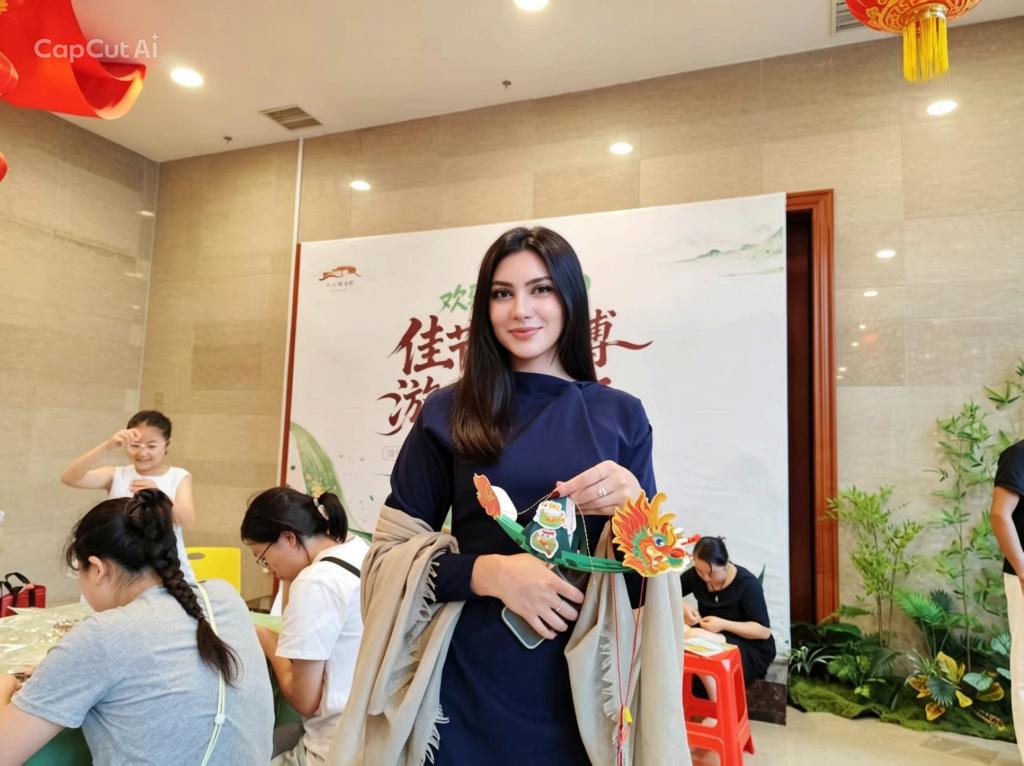
来自津巴布韦的留学生格维塔尼亚亚(Chiedza Mbalenhe Nicole Gwatinvanya)则从端午节的社区凝聚力中看到了与家乡传统节日的相似之处。“在津巴布韦,传统社区节日同样把人们聚集在一起,庆祝文化、历史和音乐。两个节日都强调文化自豪感、团结,以及将传统代代相传的重要性。”
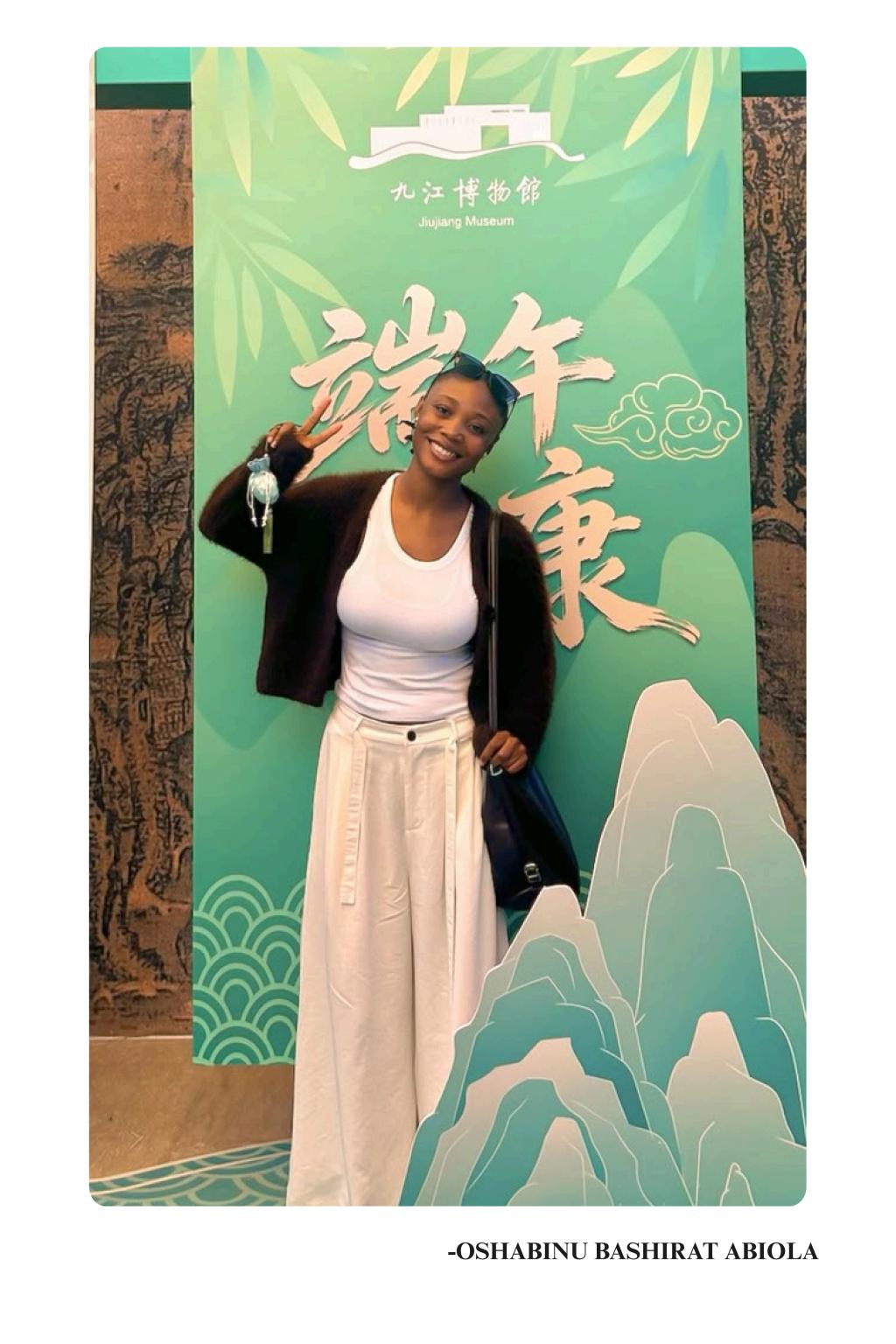
来自尼日利亚的留学生巴希拉特(Oshabinu Bashirat Abiola)在活动中感触颇深。在听完博物馆工作人员身着汉服讲述端午历史后,她说:“看到那位女士脸上流露出的情感,她的热情让这些故事变得生动而有意义,不只是历史事实。”她还表示,包粽子、吃粽子的环节让她想起了尼日利亚的节日——美食、家人和社区同样是把人们凝聚在一起的核心。
巴基斯坦留学生玛丽亚姆・贝格(MARYAM BAIG)十分珍惜本次交流机会,她表示:园区内中外游客、各国留学生互动交流,既能学习端午挂艾草、佩彩绳防疫祈福的民俗知识,也能互述各国节庆特色,搭建起跨文化沟通桥梁。
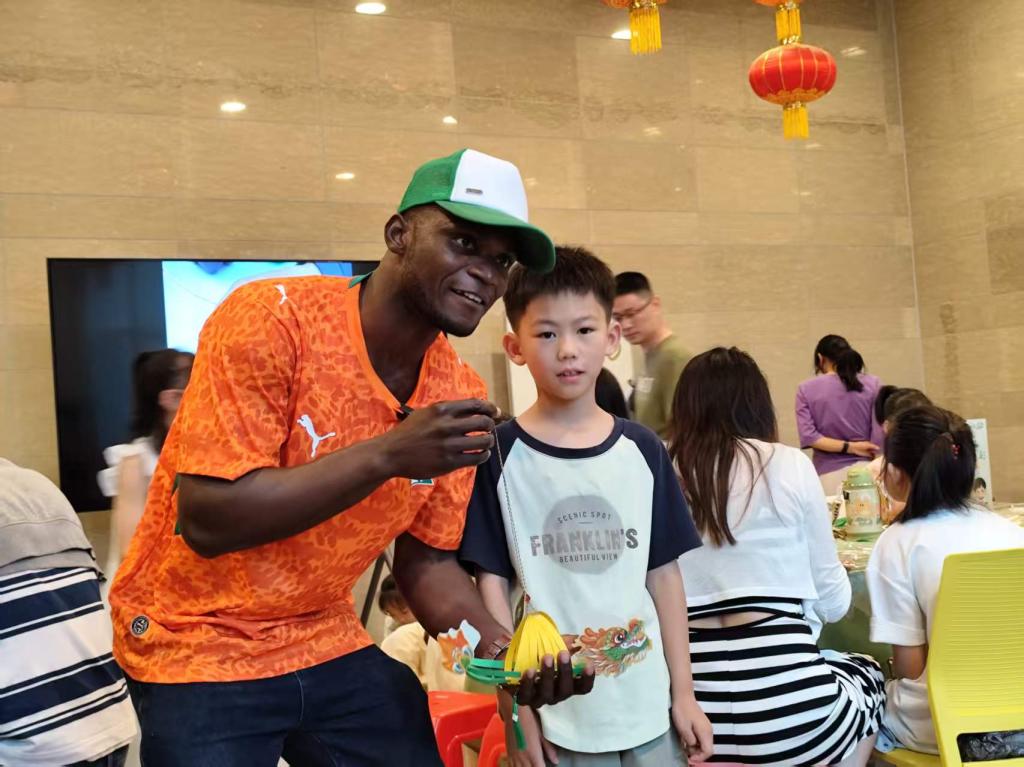
加纳留学生塞杜·穆萨(Seidu Musah)在活动结束后写道:“我带着染色的双手、手作的香囊和满怀的感激离开。多年来在书本上读到的东西,今天终于变成了我能看见、触摸和感受的东西。这完全不一样。”
来自科特迪瓦的留学生罗密欧·提亚·德希(Romeo Tia Dehi)则从更宏观的视角观察了文化节日的共性:“虽然起源和习俗不同,但这些节日有一个共同的目的——把社区凝聚在一起,保护传统,传承文化遗产。它们是中国人和科特迪瓦人身份认同中不可或缺的一部分。”
活动期间,文博岛三天累计吸引游客超3万人次,其中九江市博物馆进馆人数近2.5万人次。“端午·浔阳诵”沉浸式诗词演绎和手作体验区更是人气爆棚,不少游客排队参与。
九江市博物馆相关负责人表示,邀请外国留学生参与端午文化活动,旨在搭建中外文化交流的桥梁,让更多外国友人了解九江本地特色文化和中国传统节日的魅力。未来,博物馆将继续推出更多面向国际友人的文化体验活动,推动中华优秀传统文化的国际传播。
这场跨越国界的端午之约,不仅让外国留学生们收获了一份独特的中国记忆,也让中华传统文化在与世界的对话中焕发出新的生机与活力。(完)
International Students Immerse Themselves in Dragon Boat Festival Culture in Jiujiang
Jiujiang, June 24 — The Dragon Boat Festival, or Duanwu Jie, came alive with vibrant cultural exchanges as international students from Jiujiang University joined local residents in celebrating one of China's most cherished traditions at the Wenbo Island event in Jiujiang, Jiangxi Province.
The "Joyful Jiujiang GO -- Dragon Boat Festival at Wenbo Island" event, held from June 19 to 21, offered international students a unique opportunity to experience the festival's rich cultural heritage firsthand. Activities included immersive poetry readings, hands-on craft workshops, museum tours, and a sunset concert, blending tradition with modernity .
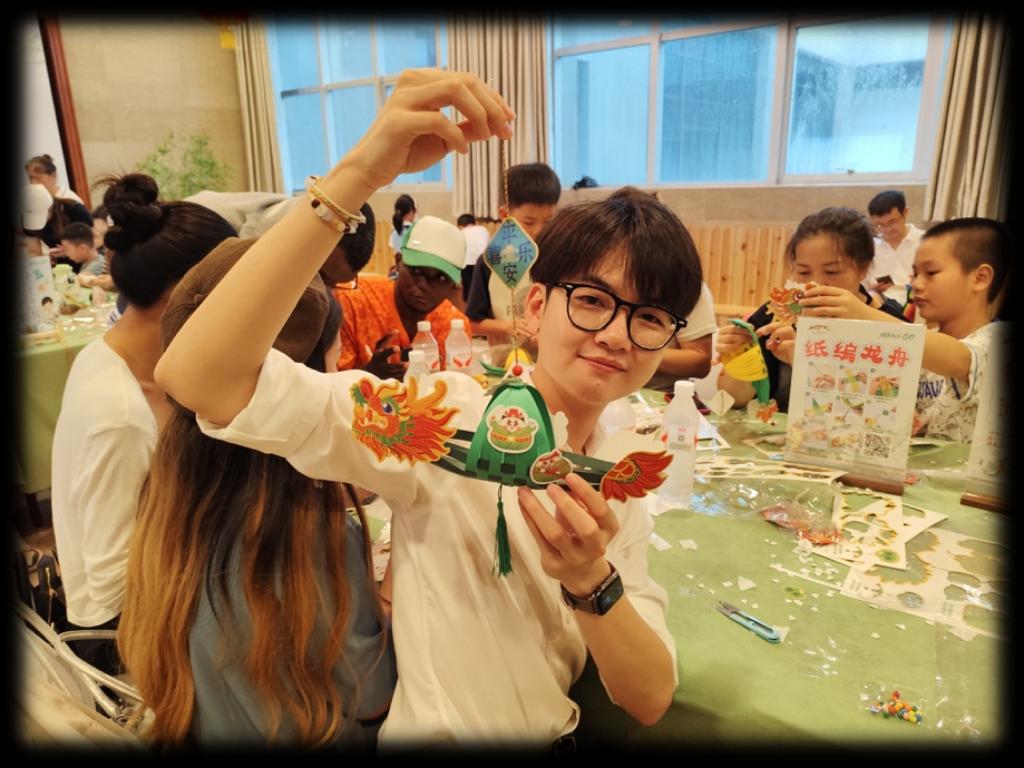
For many students, the celebration was not only an introduction to Chinese culture but also an opportunity to draw parallels with their own cultural traditions. Da Vanlita, a Cambodian student at Jiujiang University, participated in making scented sachets and paper dragon boats. "Cambodia also has traditional festivals with similar cultural significance," she shared. "Participating in these activities allowed me to truly feel the unique charm of Chinese traditional culture" .
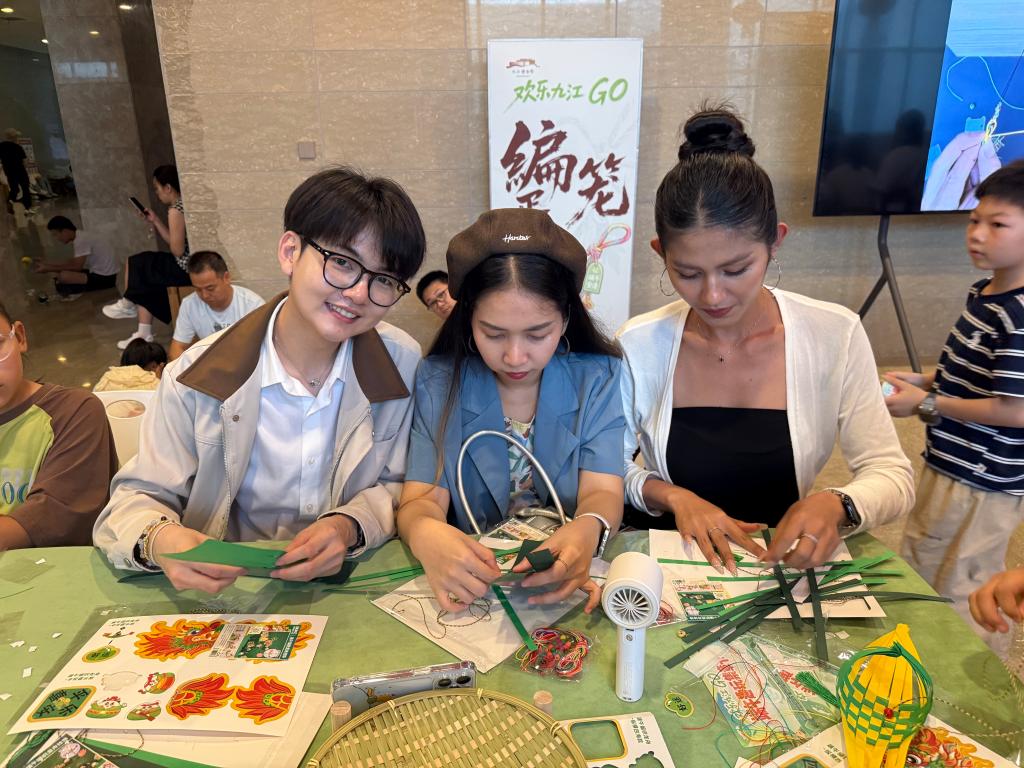
The festival's traditions, such as making zongzi (glutinous rice dumplings) and crafting fragrant sachets, resonated deeply with students from diverse backgrounds. Chiedza Mbalenhe Nicole Gwatinvanya from Zimbabwe noted similarities with community festivals in her home country, where people gather to celebrate culture, history, and music. "Both celebrations emphasize cultural pride, unity, and the importance of passing traditions from one generation to the next," she reflected.
Oshabinu Bashirat Abiola from Nigeria highlighted the universal values embedded in such celebrations. "As someone from Nigeria, it reminded me of how festivals back home also bring people together through food, family, and community," she said. "While cultures may differ, the emotions and connections they create are deeply universal."
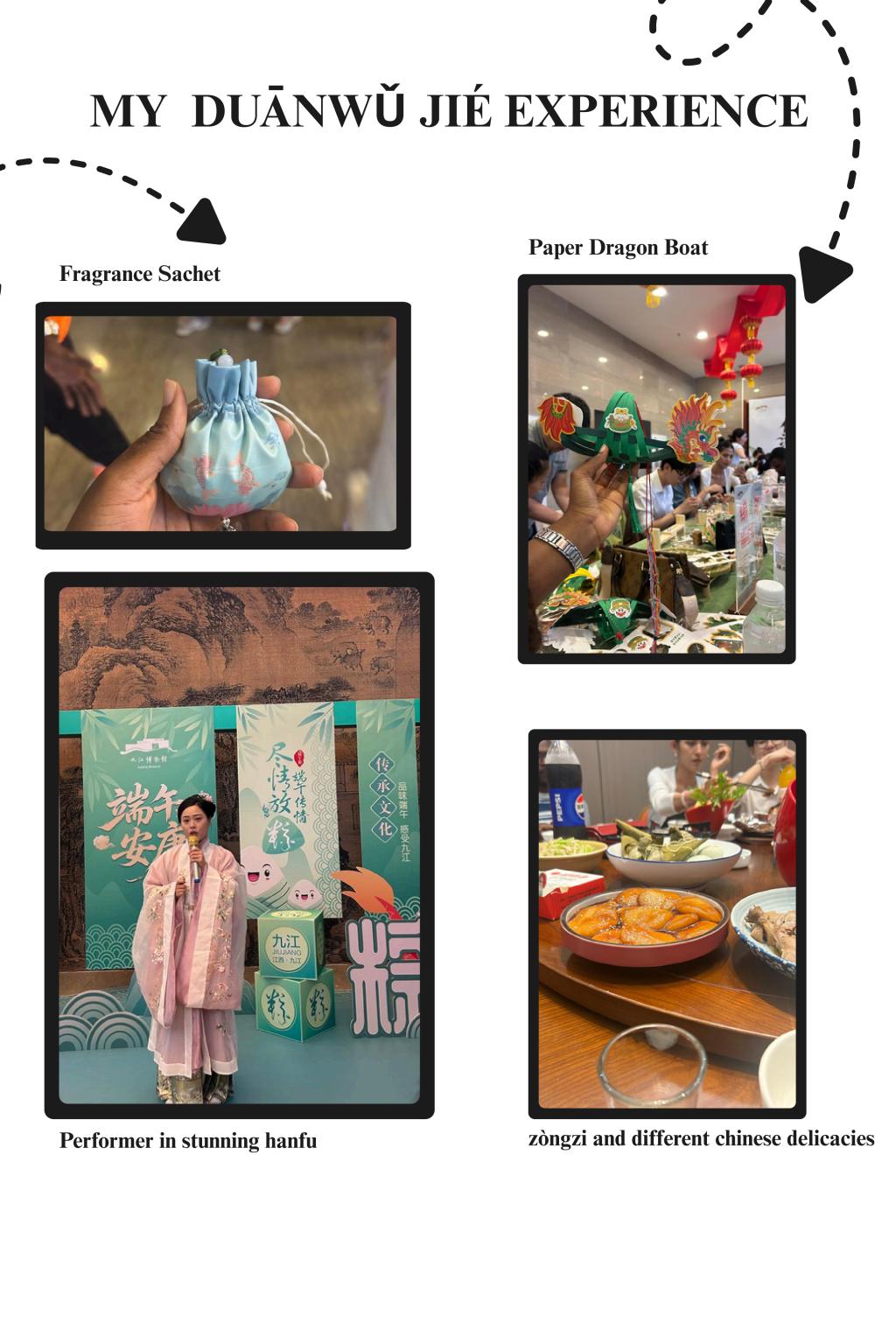
The event featured a range of traditional activities that captivated participants. Students crafted miniature dragon boats, wove colorful blessing bracelets, and created fragrant sachets — all activities that symbolize good luck and health . Lim Sovannarith from Cambodia expressed how the hands-on experience transformed his understanding of the festival. "Before this experience, my understanding of the Dragon Boat Festival mainly came from textbooks and classroom lessons, so it felt like something distant and unfamiliar. However, participating in today's celebration allowed me to truly feel the history, emotions, and cultural values behind this festival."
The Dragon Boat Festival, observed on the 5th day of the 5th lunar month, commemorates the ancient poet Qu Yuan, known for his patriotism and literary contributions. Traditions include eating zongzi, racing dragon boats, and hanging herbs to ward off evil spirits.
Seidu Musah from Ghana described the day as transformative. "What I read about for years finally became something I could see, touch, and feel. That made all the difference," he said. His sentiment echoed that of many international students who left the event with handmade crafts, dyed hands, and a heart full of gratitude.
The event also provided a platform for students to reflect on cultural preservation in their own countries. Romeo Tia Dehi from Côte d'Ivoire observed that "although their origins and practices are different, these celebrations share a common purpose: they bring communities together, preserve traditions, and contribute to the transmission of cultural heritage."
During the three-day holiday, Wenbo Island attracted over 30,000 visitors, with nearly 25,000 entering the Jiujiang Museum alone. The museum's "Duanwu·Xunyang Song" immersive poetry performance and craft experience areas were particularly popular, drawing crowds of locals and international visitors alike.
The cultural exchange served as a reminder of the shared human values that bind communities across the globe. As one student from Cambodia noted, "These festivals are important cultural events that strengthen social bonds, preserve national heritage, and promote respect for historical traditions. Although their origins and religious meanings differ, all three festivals reflect the values of remembrance, community unity, and cultural identity."